Turmeric: benefits, dosage and side effects
By the Naturomag editorial team · Published
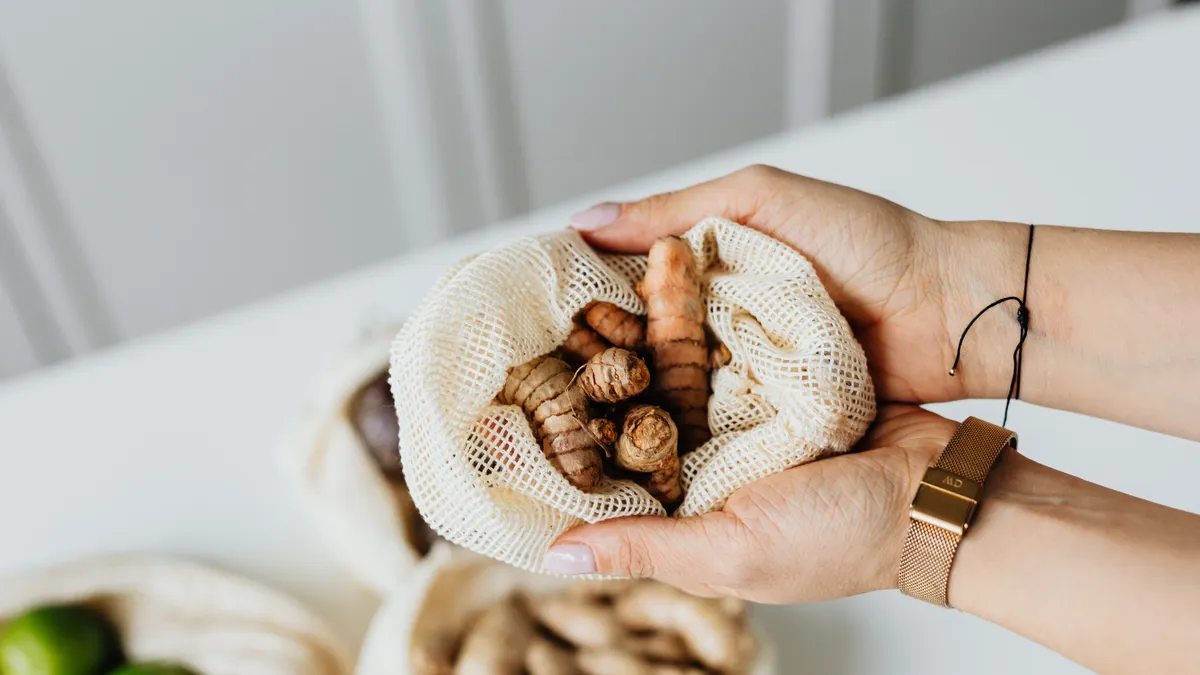
Turmeric's officially recognized herbal use is for digestive discomfort: a feeling of fullness, slow digestion and gas. The European Medicines Agency's monograph accepts it as a traditional use for adults and sets exact amounts for 6 preparations, listed below.
Which turmeric benefits are officially recognized?
One: relief of digestive disturbances such as fullness, slow digestion and flatulence. The monograph on Curcuma longa L., rhizome, adopted on September 25, 2018, bases it on long-standing use rather than clinical trials. The "haldi" of Indian kitchens and the turmeric spice in your cupboard come from this same rhizome, though a spoonful in a curry is not a measured preparation.
How much turmeric per day?
It depends on the form. For adults, the European monograph gives:
| Preparation | Amount |
|---|---|
| Powdered rhizome | 0.5 to 1 g, 2 to 3 times a day |
| Tea: cut rhizome in 150 ml boiling water | 0.5 to 1 g, 2 to 3 times a day |
| Tincture 1:10 | 0.5 to 1 ml, 3 times a day |
| Tincture 1:5 | 10 ml once, or 5 ml in 60 ml water 3 times a day |
| Dry extract 13-25:1 | 90 to 162 mg a day, in 2 to 5 doses |
| Dry extract 5.5-6.5:1 | 100 to 200 mg, twice a day |
The ratios matter: 100 mg of a concentrated extract and 100 mg of kitchen powder are very different things.
What does the research on curcumin show?
Curcumin is studied mostly in concentrated form, so its results do not describe the kitchen spice. Curcumin is the main yellow pigment of the rhizome, and most trials tested products that concentrate it. NCCIH (April 2025) reports that better-quality studies are still needed. The use accepted in Europe is the digestive one above, and it rests on the whole rhizome and its listed preparations.
Should you take turmeric with black pepper?
Piperine, a compound in black pepper, is one way to increase how much curcumin the body absorbs. NCCIH adds that products differ widely in their real curcumin content and often contain other plant substances. More absorption also changes the risk picture, covered next.
Turmeric powder, tea, tincture or capsule: which one?
Choose by the amount you can actually measure.
- Powder is the simplest: weigh 0.5 to 1 g rather than guessing with a spoon.
- Tea uses cut rhizome in 150 ml of boiling water, 2 to 3 times a day.
- Tinctures contain ethanol, which the label must show.
- Dry extracts are concentrated; check the extract ratio (DER) and the solvent.
For quality, the monograph points to the European Pharmacopoeia standard for turmeric rhizome (monograph 2543). A supplier able to state that its raw material meets it gives you something checkable.
How long can you take turmeric?
NCCIH puts conventional oral products at likely safe for 2 to 3 months at recommended amounts. The European monograph frames digestive use differently: if the discomfort lasts more than 2 weeks, it has moved past what this traditional use covers. Cooking with turmeric is a food habit and sits outside both figures.
What are the side effects of turmeric?
Digestive ones first. The monograph lists mild dry mouth, flatulence and stomach irritation. NCCIH adds nausea, vomiting, reflux, diarrhea and constipation, and finds conventional oral products likely safe at recommended amounts for 2 to 3 months.
High-absorption curcumin products are a separate matter: liver damage has been reported in some people who used them. Tiredness, nausea, poor appetite, dark urine or yellowing skin are the signs to stop at once.
Came here looking for a liver cleanse? See what a liver detox involves, starting with what to cut back.
Who should leave turmeric supplements alone?
The monograph is precise.
- Allergy to the plant.
- Bile duct blockage, cholangitis, liver disease, gallstones or any other biliary disease, because turmeric may stimulate bile.
- Pregnancy and breastfeeding: safety is not established, so use is not recommended.
- Under 18: use has not been established.
No drug interaction is reported in the monograph, and symptoms lasting more than 2 weeks fall outside this traditional use.
Where can you learn to prepare herbs like turmeric?
Decoctions, tinctures and extract ratios are core material in herbal medicine courses. To compare spices, read how Ceylon and cassia cinnamon differ, or browse all herb profiles.
Frequently asked questions
Is turmeric the same as curcumin?
No. Turmeric is the whole rhizome; curcumin is one pigment extracted from it.
Can you make turmeric tea from powder?
The monograph's tea uses 0.5 to 1 g of cut rhizome in 150 ml of boiling water; powder is listed as its own preparation at 0.5 to 1 g.
Sources
- European Union herbal monograph on Curcuma longa L., rhizoma (EMA/HMPC/329755/2017), European Medicines Agency, 2018
- Turmeric: Usefulness and Safety, NCCIH, 2025