Cinnamon: benefits, Ceylon vs cassia and safety
By the Naturomag editorial team · Published
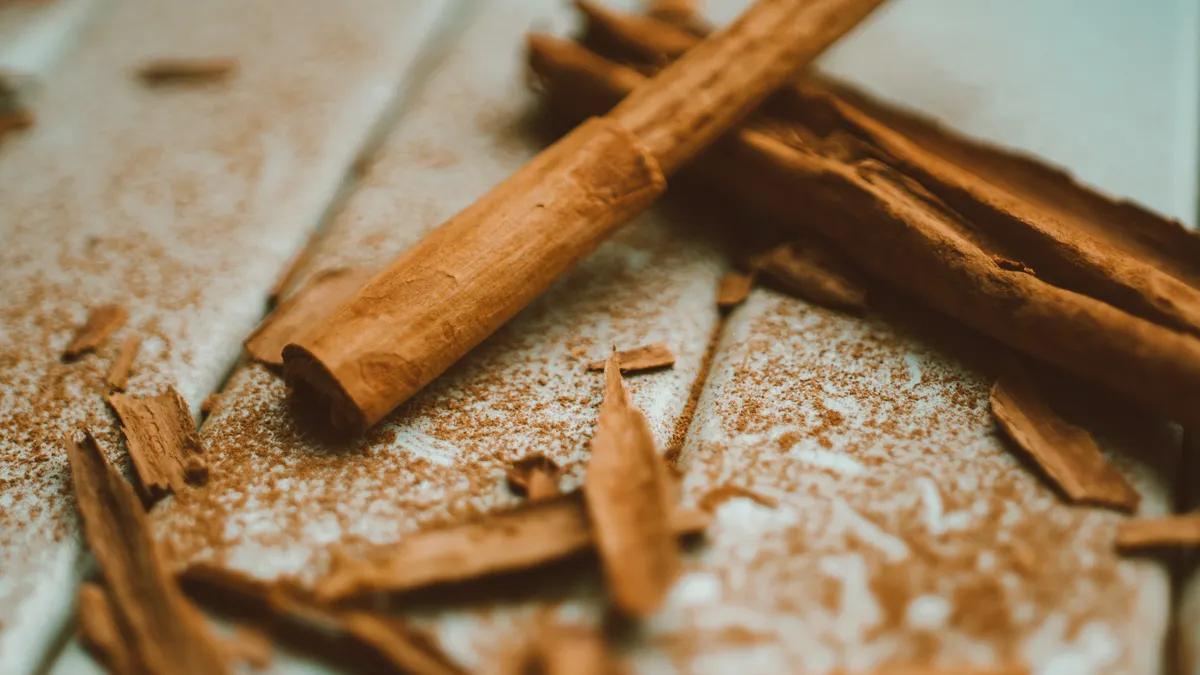
The cinnamon with a recognized herbal use is Ceylon cinnamon (Cinnamomum verum), for mild cramping, bloating, gas and mild diarrhea. The cassia sold in most North American jars carries far more coumarin, which changes how much you should use every day.
What is the difference between Ceylon and cassia cinnamon?
Species, origin and coumarin content.
| Ceylon, "true" cinnamon | Cassia | |
|---|---|---|
| Latin name | Cinnamomum verum | Cinnamomum aromaticum |
| Grows mainly in | Sri Lanka | Southeast Asia |
| Coumarin | Low or trace amounts | About 3,000 mg per kg on average, up to 10,000 |
| In shops | Usually labelled Ceylon | The most common type in North America |
Species names come from NCCIH, coumarin figures from the German Federal Institute for Risk Assessment (BfR).
How much cinnamon a day is too much?
With cassia, about 2 g a day reaches the limit for a 60 kg adult. The BfR sets a tolerable daily intake of 0.1 mg of coumarin per kg of body weight: 6 mg for that adult. For a 15 kg child, the limit is 1.5 mg, reached with about 0.5 g of cassia. Coumarin has been linked to liver effects, and people with liver disease are the sensitive group for long use.
What are the benefits of Ceylon cinnamon?
Europe accepts 2 traditional uses: mild spasmodic complaints of stomach and bowel, including bloating and gas, and mild diarrhea. The European Medicines Agency monograph of May 10, 2011 bases both on long-standing use. With diarrhea, rehydration comes first.
How do you take cinnamon as a tea or tincture?
For adults, the monograph's amounts are:
- Tea: 0.5 to 1 g of cut bark as an infusion, up to 4 times a day.
- Liquid extract (1:1): 0.5 to 1 ml, 3 times a day, for cramps and bloating.
- Tincture (1:5): 2 to 4 ml a day, for cramps and bloating.
These apply to Ceylon bark only. The monograph frames this use as short: up to 2 weeks for cramps and 2 days for diarrhea.
Does cinnamon help with blood sugar or weight loss?
The evidence is unclear on both. NCCIH (November 2024) says studies are hard to read because the species or plant part tested is often not stated, and research does not clearly support cinnamon for any health condition. Claims for hair, skin or women's health have even less behind them.
Which cinnamon should you buy for daily use?
If you sprinkle it every day, take Ceylon. Its coumarin level is low, so habit does not push you toward the BfR limit. Cassia stays a fine choice for an occasional bake.
- Daily oatmeal or coffee: Ceylon.
- Children's breakfasts: Ceylon, because the limit of a 15 kg child is a quarter of a 60 kg adult's.
- Capsules: check which species the powder or extract comes from, and the plant part. NCCIH notes labels may not say.
How can you tell Ceylon and cassia sticks apart?
Look at the cut end. A cassia stick is one fairly thick layer of bark rolled up. A Ceylon stick shows several thin layers rolled together, dense like the cross-section of a cut cigar. Once ground, the 2 can hardly be told apart, so powder needs a label that says Ceylon.
Is coumarin limited in cinnamon foods?
In the European Union, yes for certain foods, not for the spice itself. Since January 2011, traditional or seasonal bakery ware that names cinnamon on its label may contain up to 50 mg of coumarin per kg, and desserts such as cinnamon rice pudding up to 5 mg per kg. The BfR notes that a 15 kg child would reach the daily limit with about 30 g of cinnamon star cookies made at the maximum level, roughly 6 small ones.
What do women, hair and skin claims rest on?
Much less than the digestive use. Cinnamon is sold for periods, glow and hair growth, yet research does not clearly support it for any health condition, according to NCCIH. On skin, the point to remember is the opposite: oils and powders can irritate.
What are cinnamon's side effects and warnings?
Food amounts are likely safe; large or long-term use can bring stomach trouble or allergic reactions.
- Allergy to cinnamon or to Peru balsam rules out the herbal products.
- Pregnancy and breastfeeding: use of the herbal preparations is not recommended; food amounts are a different matter.
- Under 18: not established.
- Cinnamon oils or powder on the skin can irritate it.
- Never swallow dry powder for the "cinnamon challenge": it can cause serious harm.
Which other kitchen spices have a monograph?
Turmeric is the obvious neighbor: see the turmeric dosage table. Browse the other herbs in this section, or turn the interest into study with schools of herbal medicine.
Frequently asked questions
Is a cinnamon broom edible?
A scented broom is a decoration, not a food: use bark sold for cooking.
How can you tell which cinnamon you bought?
Look for the species or the word Ceylon on the label. Labels do not always state it.
Sources
- Community herbal monograph on Cinnamomum verum J.S. Presl, cortex (EMA/HMPC/246774/2009), European Medicines Agency, 2011
- Cinnamon: Usefulness and Safety, NCCIH, 2024
- FAQ on coumarin in cinnamon and other foods, German Federal Institute for Risk Assessment (BfR), 2012