Probiotics vs prebiotics: what is the difference?
By the Naturomag editorial team · Published
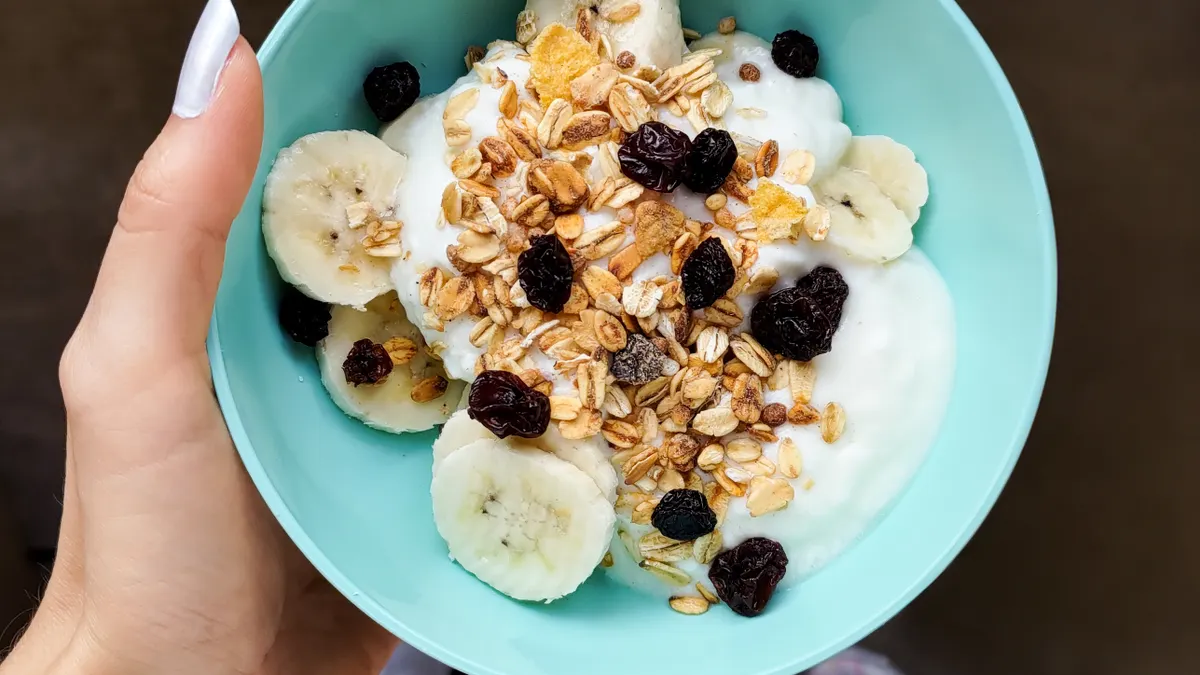
Probiotics vs prebiotics comes down to this: probiotics are live microorganisms that give a health benefit when you take enough of them, and prebiotics are substances your own gut microbes use selectively, also with a benefit. One adds residents; the other feeds the ones you want.
How are they defined?
Scientific consensus fixes both: the probiotic wording comes from FAO and WHO and was confirmed in 2014 by the International Scientific Association for Probiotics and Prebiotics, which updated the prebiotic one in 2017.
| Probiotic | Prebiotic | |
|---|---|---|
| What it is | Live microorganisms | A substrate, often a fiber |
| Definition | Confer a health benefit when given in adequate amounts (2014) | Used selectively by host microbes, with a health benefit (2017) |
| Sensitive to heat | Yes, they must be alive | No need to be alive |
| Name on a label | Genus, species, often a strain code | The ingredient, such as inulin |
Both words demand a documented benefit. A live culture or a fiber without one does not qualify.
What are common sources of each?
Probiotics come from some fermented foods and capsules; prebiotics from certain plant fibers.
- Probiotic side: yogurt with live cultures, other fermented foods, supplements with Lactobacillus, Bifidobacterium or the yeast Saccharomyces boulardii (NCCIH).
- Prebiotic side: fermentable fibers such as inulin and oligofructose, which occur naturally in plants such as onions and Jerusalem artichokes (Linus Pauling Institute).
A food is not a probiotic just because it was fermented: baking or pasteurizing after fermentation kills the microbes.
Which ones have an accepted health claim in Europe?
1 narrow claim on each side, each tied to a precise food and amount.
- Yogurt cultures: Live cultures in yoghurt or fermented milk improve lactose digestion of the product in individuals who have difficulty digesting lactose. It applies to yogurt or fermented milk with at least 100 million live starter microorganisms per gram, not to capsules in general (Regulation 432/2012).
- Chicory inulin: Chicory inulin contributes to normal bowel function by increasing stool frequency. The effect is obtained with 12 g of native chicory inulin a day (Regulation 2015/2314).
What does a synbiotic add?
A synbiotic mixes live microorganisms with a substrate that microbes use, and the mix must show a health benefit. The 2020 consensus separates 2 kinds. A complementary synbiotic pairs a real probiotic with a real prebiotic. A synergistic one uses a substrate designed to feed the microbes packed with it.
Should you choose one or both?
Start with your plate, then pick a capsule for a specific goal.
- You eat little fiber: add them gradually. With a fiber supplement, the advice is no more than 3 to 4 g a day in the first week, to limit gas and bloating.
- You eat plenty of fiber and fermented food: a supplement has less to add.
- You want a studied effect: choose a product that names the strain tested for that use. Different strains do different things.
What should you check on a probiotic label?
Strain, count at the end of shelf life and storage. The US National Center for Complementary and Integrative Health (NCCIH) notes that benefits seen with one kind of Lactobacillus do not carry over to another, and that some products have been found to contain microbes not listed on the label. A brand that names its strains and shows third-party testing gives you something to verify.
Are they safe for everyone?
Probiotics have a long record of apparently safe use in healthy people, with a clear exception. The risk of harm, including infection, is higher in people with severe illness or a weakened immune system. The FDA has warned about severe, sometimes fatal infections in premature infants given probiotics. For prebiotic fibers, gas and bloating are the usual complaint when the dose climbs fast.
More on nutrients that sit next to your yogurt in the natural supplement guides, including which vitamin D your bottle holds and fish oil for women and men.
Frequently asked questions
Can you take probiotics and prebiotics together?
Yes. A product that combines them and has a demonstrated health benefit is called a synbiotic. At the table, a live-culture yogurt dip with chopped onion brings live cultures and inulin together.
Are all fibers prebiotics?
No. A fiber counts as a prebiotic only if gut microbes use it selectively and a health benefit has been shown.
Sources
- Hill et al., ISAPP consensus statement on the term probiotic, Nature Reviews Gastroenterology and Hepatology, 2014
- Gibson et al., ISAPP consensus statement on the definition and scope of prebiotics, Nature Reviews Gastroenterology and Hepatology, 2017
- Swanson et al., ISAPP consensus statement on synbiotics, Nature Reviews Gastroenterology and Hepatology, 2020
- Fiber, Micronutrient Information Center, Linus Pauling Institute, Oregon State University
- Probiotics: Usefulness and Safety, NCCIH
- Commission Regulation (EU) No 432/2012, European Union, EUR-Lex, 2012
- Commission Regulation (EU) 2015/2314, health claim on native chicory inulin, European Union, EUR-Lex, 2015